Health in a pill, is that wise
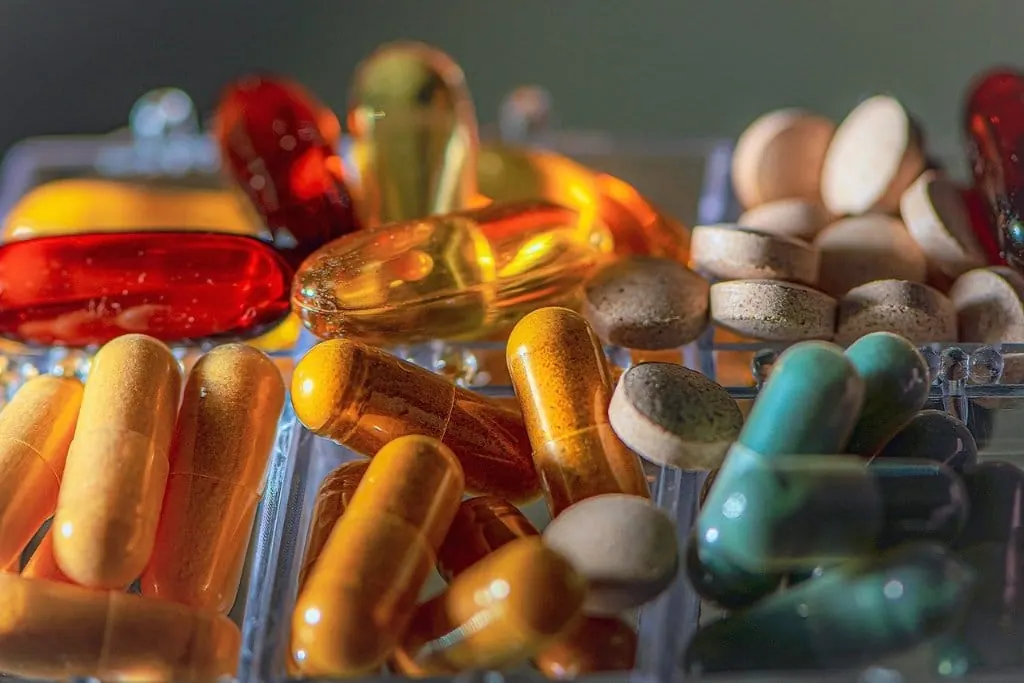
It was in the news again in recent weeks. Is it wise to take dietary supplements if you are healthy? It is true that you don't need to swallow (expensive) dietary supplements if you are healthy. You won't become even healthier from them. In fact, taking a lot of supplements can cause dangerous side effects. There are special groups for whom supplementation is advised. We will explain that in this blog.
Measuring a vitamin deficiency
On various websites of orthomolecular nutrition advisers and health gurus, among others, you often see offers of tests to measure your vitamin deficiencies. Some do this with a simple questionnaire, others with an EAV blood test or a device. All of these measuring systems are unreliable and belong in the quackery department. Their results always show deficiencies, followed by a very costly supplement advice. A business model, in other words. A good way of measuring is to have a blood test taken by your GP or directly at the hospital laboratory. Radar (a Dutch consumer TV programme) wrote an article on this following a study on blood tests.
Do you need extra vitamins?
With healthy and varied food it is possible to get all the nutrients you need. So if you eat enough, healthily and varied according to the Schijf van Vijf (the Dutch healthy-eating guide), you don't need to be afraid of a shortage of vitamins, minerals or fatty acids. Food also supplies a great many other nutrients. For most people there is no good reason to take extra vitamins and minerals. It gives no extra health benefit.
The danger of too many vitamins
Taking too many vitamins and minerals for a longer period can have harmful consequences. For vitamin C, beta-carotene, iron, phosphorus, potassium and manganese there are indications that certain amounts may cause unwanted side effects. Think, for example, of bowel complaints with more than 2 grams of vitamin C. But for these vitamins and minerals no acceptable upper limits have been set. Vitamin B6 in supplement form has been restricted for a number of years. Too much vitamin B6 can be harmful to health. It has long been known that high doses of vitamin B6 can lead to nerve damage. The symptoms are mainly a numb feeling, tingling or pain in the hands and feet.
When is vitamin supplementation desirable?
There are various groups for whom extra vitamin supplementation is advised. Below you can see an overview.
- Babies up to 3 months who are breastfed or who have less than 500 ml of formula: 150 micrograms of vitamin K
- Children aged 0 to 3: 10 micrograms of vitamin D
- Girls and women;
- aged 4 to 49 with a dark (tinted) skin colour or who don't spend much time in the sun or who cover their skin: 10 micrograms of vitamin D
- aged 50 to 69: 10 micrograms of vitamin D
- aged 70 and over: 20 micrograms of vitamin D
- women who want to become pregnant and during the first 10 weeks of pregnancy: 400 micrograms of folic acid
- pregnant women: 10 micrograms of vitamin D
- Boys and men;
- aged 4 to 69 with a dark (tinted) skin colour who don't spend much time in the sun or who cover their skin: 10 micrograms of vitamin D
- aged 70 and over: 10 micrograms of vitamin D
- Vegans; until the recommended daily amount is reached: vitamin B12 (this can also be done with foods with added vitamin B12)
If you exercise often, do you need extra supplements?
Most people who exercise don't benefit from extra dietary supplements such as vitamins and minerals. Special sports nutrition products such as protein shakes are usually not needed either. Furthermore, the use of certain pre- and post-workout supplements can be harmful. Most people who exercise benefit more from improving their eating pattern, by eating according to the Schijf van Vijf.
If you eat according to the Schijf van Vijf, you get enough nutrients and energy for good sports performance. For most dietary supplements it has not been proven, moreover, that they have positive effects for people who exercise. Supplements can also contain dangerous or banned substances.
In addition to a healthy eating pattern, a few supplements can have a positive effect on sports performance or recovery after exertion. The sports supplements caffeine and creatine (monohydrate) can help get just a little more out of your performance.
Among people who exercise, supplements such as beetroot juice, magnesium, beta-alanine or sodium bicarbonate are also popular. There is as yet no scientific consensus about the effect of these supplements. So there is still debate. Some supplements also have side effects that make most people who exercise leave them alone.
What now?
All Personal Trainers and Lifestyle coaches at MINT Personal Training also have a background as a nutrition specialist. They can advise you well on how things stand with healthy food and supplementation. We challenge you to book a free intake with one of them, for personal training and nutrition advice.