Nutrition and training: what to eat before, during and after
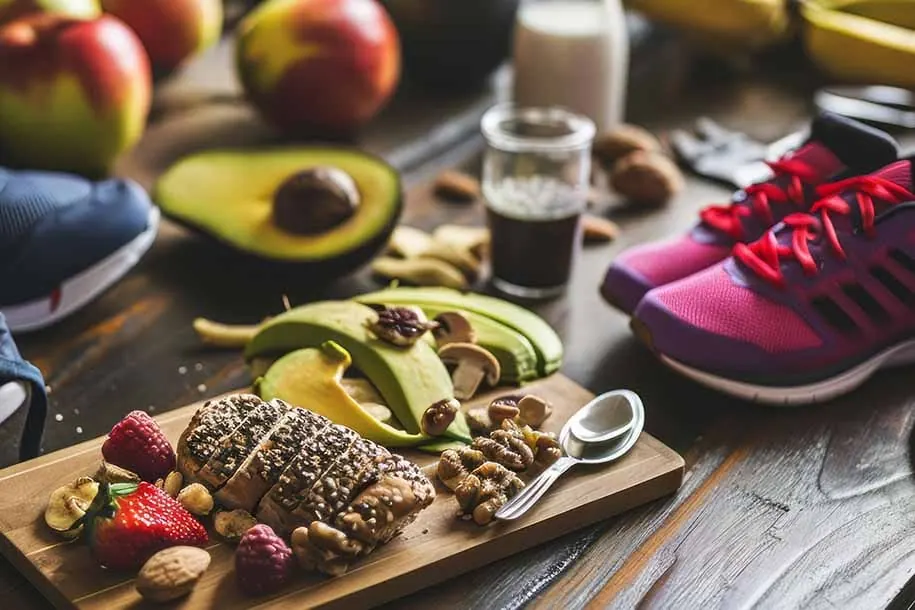
Whether you train for a marathon, build muscle strength at the fitness club, or simply want to stay fit, nutrition plays a crucial role in reaching your goals. The right food before, during and after your training can improve your performance, raise your energy level and support your body's recovery. Here is a comprehensive guide to what you should eat to optimise your training.
Before training: starting with energy
Pre-training nutrition is meant to give your body energy so you can perform at your best. A good meal before training consists mainly of carbohydrates and contains a moderate amount of protein. Carbohydrates are quickly converted into glucose, the main energy source for your muscles during intense effort. By adding protein, you also give your muscles the building blocks they need, which is especially useful for strength training.
Some ideas for pre-training meals:
- Oatmeal with fruit and nuts: The oats supply slow carbohydrates and fibre, while the fruit gives a quicker energy boost.
- Wholemeal sandwich with chicken breast or avocado: This is a light but energy-rich meal, easy to digest and ideal for an average workout.
- Banana with peanut butter: Bananas are rich in fast carbohydrates and potassium, a mineral that helps keep your fluid balance and muscle function in order.
Timing: Try to eat your meal 1 to 3 hours before training. This gives your body time to digest the food, so you do not get stomach problems while exercising. Do you need something shortly beforehand? A small snack such as a banana or a rice cake can give an easily digestible burst of energy.
During training: keeping up energy and hydration
For most workouts, extra food during the session is not strictly necessary, but hydration is absolutely essential. Drinking water helps regulate your body temperature and prevents dehydration, which supports your endurance and concentration. During intense or long workouts (longer than an hour) you can also consider topping up carbohydrates alongside water for extra energy.
Food suggestions for long sessions:
- Sports drinks: Choose a sports drink that contains electrolytes such as sodium and potassium, in addition to carbohydrates. This helps replace lost salts and gives extra energy.
- Fruit such as bananas or oranges: These are easily digestible, give a quick energy boost and provide your body with important vitamins and minerals.
- Energy gels or bars: Handy on the go and containing a concentrated amount of carbohydrates. Ideal for endurance athletes, such as marathon runners.
The most important thing during your training is to keep listening to your body. Do you feel faint or tired during a long workout? Then it may be time for a small top-up of carbohydrates or electrolytes.
After training: supporting recovery
After exercise your body needs nutrients to recover. The focus here is on protein for muscle recovery and carbohydrates to replenish the glycogen stores in your muscles. Protein is especially important because it supports muscle building and recovery, which is essential for strength training and intensive endurance sports.
Some recovery snacks and meals:
- Smoothie with yoghurt, berries and a handful of spinach: This combination provides a good mix of carbohydrates, protein and vitamins.
- Omelette with vegetables and wholemeal toast: The protein from the eggs helps muscle recovery, while the carbohydrates from the toast give energy.
- Quark with honey and fruit: Quark is rich in casein protein, which releases protein slowly, ideal for recovery after training.
Timing: Try to eat something within an hour of your training. This window is often called the “recovery period”, because in this time your body is most receptive to nutrients. As a result, carbohydrates and protein can be absorbed quickly and efficiently.
Hydration: the indispensable factor
Besides food, hydration is a crucial aspect of training and recovery. Drinking enough water throughout the day helps your muscles function well and prevents cramp and dehydration while exercising. After an intensive workout you can consider drinking an electrolyte drink or coconut water, especially if you have lost a lot of sweat.
Conclusion: the right nutrition for optimal results
The right eating pattern around your training really makes a difference. By eating consciously before your workout you give your body the energy it needs, while exercising you keep yourself hydrated and energetic, and with a smart meal afterwards you promote recovery and muscle growth. This way you get the most out of your training and build a strong, healthy body.
Need help?
Do you need help with personal nutrition advice? Let one of our nutrition specialists guide you and request information below today.