Why fitness matters as you get older
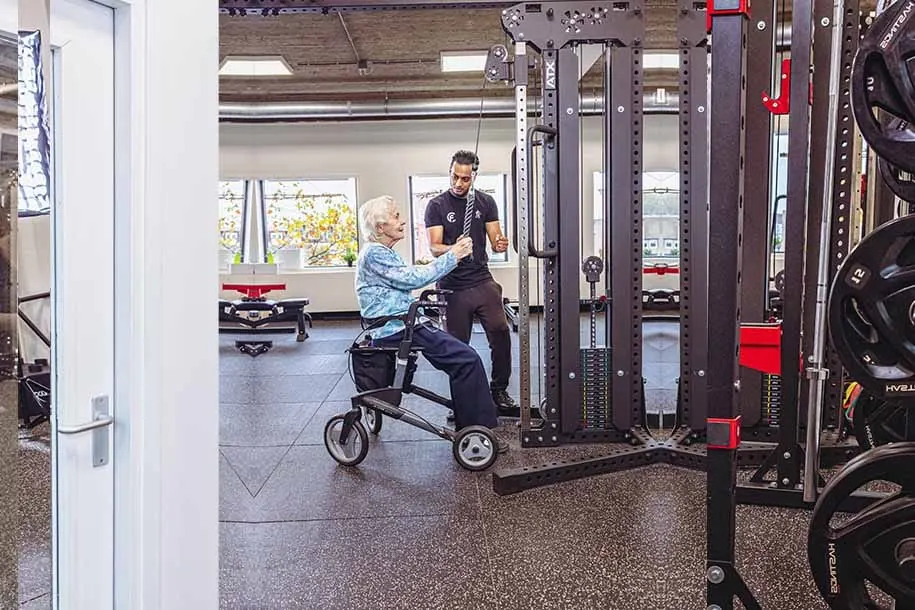
Fitness is often linked to staying young and fit, but staying active is actually most important as you get older. Doing fitness regularly has huge benefits, both physical and mental. It not only helps you stay fit for longer, but also improves your overall quality of life.
Improved muscle strength and mobility
As we get older, we gradually lose muscle strength and flexibility. This process can contribute to a decline in balance and coordination, which increases the risk of falling. By doing strength training regularly, older people can maintain and even increase their muscle mass. This helps make daily activities, such as climbing stairs and lifting shopping, easier and safer. Strength training also contributes to the flexibility and mobility of the joints, which lowers the chance of injuries and pain.
Better for healthy bones and joints
Osteoporosis and arthritis are common problems in older people. Regular fitness, especially weight-bearing exercises such as walking, jogging and strength training, stimulates bone density and helps counteract bone loss. Strong bones and healthy joints are essential for mobility and independence, especially in later life. In addition, strong muscles around the joints provide extra support, which can reduce pain.
A healthy heart and body weight
Fitness also plays an important role in maintaining a healthy heart and a stable weight. Cardiovascular exercises such as walking, cycling and swimming help keep the heart healthy by improving blood circulation and lowering cholesterol levels. These activities also help stimulate the metabolism, which is crucial for staying at a healthy weight. A healthy weight reduces the risk of conditions such as type 2 diabetes and high blood pressure, which often become more common as we get older.
Better mental health
Fitness also has mental benefits that are essential in ageing. Exercise stimulates the production of endorphins, the so-called “happiness hormones,” which can reduce stress and anxiety. Research also shows that exercise helps maintain cognitive functions such as memory and concentration, which can lower the risk of cognitive decline and conditions such as dementia. Fitness can therefore contribute to a more positive self-image, more self-confidence and better mental health.
Being social and looking at life positively
For many people, fitness also offers a social environment where they can connect with others. This is particularly valuable as we get older, because social isolation and loneliness are more common in later life. By going to the fitness club regularly or taking part in group activities, such as yoga or walking clubs, older people can build a social network and build a positive routine into their lives. These social contacts contribute to better mental health and a positive outlook on life.
Conclusion: Ageing actively
Fitness contributes to a healthy and active life, whatever your age. By exercising regularly, older people stay physically and mentally strong, keep their independence and improve their quality of life. It is never too late to start; even with small steps you can already make a huge difference. So, as you get older, give yourself the chance to stay fit and active – your body and mind will thank you!