The water bottle hype and your daily water needs
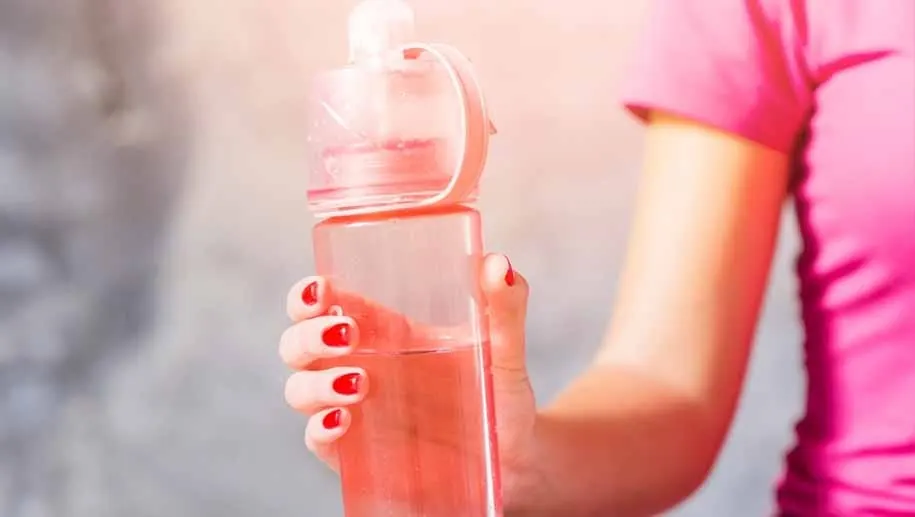
There is certainly a hype when it comes to water bottles. In recent years reusable water bottles have become enormously popular and have grown into a trendy accessory.
The amount of water we need
That water bottle is handy to have with you when you exercise and feel thirsty, but when is enough enough.
According to the Voedingscentrum (the Netherlands Nutrition Centre), adults (18 years and older) are recommended to drink 1.5 to 2 litres of fluid per day. This includes water, tea, coffee and other drinks. Pregnant and breastfeeding women may need more fluid.
It is important to drink enough, because water is essential for many body functions. Water helps to regulate body temperature, to transport nutrients and waste products, and to lubricate joints. Dehydration can lead to headaches, fatigue, constipation and other health problems.
Although water is the best choice for hydrating, you can also drink other drinks, such as tea and coffee. Bear in mind, however, that caffeinated drinks are mildly diuretic, so for every cup of coffee or tea you drink you should drink an extra glass of water to prevent dehydration.
Can you also drink too much water?
It is certainly possible to drink too much water in a day, even if you count tea, coffee and water from other sources. Drinking too much water can lead to a condition called hyponatraemia.
Symptoms of hyponatraemia:
- Nausea and vomiting
- Diarrhoea
- Headache
- Confusion
- Muscle weakness and cramps
- In severe cases: seizures, coma and even death
How does hyponatraemia arise from drinking too much water?
Normally your body regulates the amount of water and sodium in your blood precisely. If you drink too much water, the sodium level in your blood can become too low. This is because water can enter the cells in your body, making them swell. The swollen cells can then draw sodium out of your blood, so that the sodium level becomes too low.
The amount of water that is too much can differ from person to person. In general, however, it is not advisable to drink more than 3.7 litres of water per day.
How do you know whether you are drinking enough water?
The amount of fluid you need to drink per day depends on various factors, such as your age, sex, activity level, the climate you live in and your state of health.
Besides water, other drinks, such as tea and coffee, also count towards your daily fluid intake. However, caffeinated drinks such as coffee and tea are mildly diuretic. This means your body loses more fluid by urinating when you drink these drinks. To compensate for this effect, it is advisable to drink an extra glass of water for every cup of coffee or tea you drink.
Signs of dehydration:
It is important to watch for signs of dehydration, such as:
- Thirst
- Dark yellow urine
- Headache
- Fatigue
- Dry mouth and throat
- Reduced urine production
- Constipation
- Dizziness or light-headedness
If you suffer from these symptoms, it is important to drink more. You can also contact your doctor for more advice.
Aiming for balance
As with so many things in life, aiming for balance is the best guideline for water intake. Do not let yourself be driven mad by influencers on, for example, Instagram who preach that everyone drinks too little water. The trendy water bottle is a perfectly good fashion statement and handy when you get thirsty at the fitness club, but for water too: drink in moderation.