App your groceries together
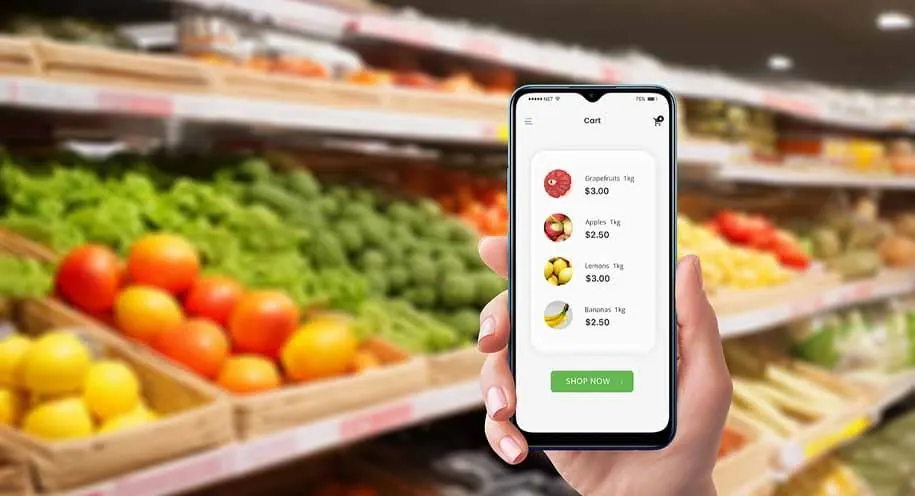
Grocery shopping used to be a weekly activity: people went into the supermarket with a list and gathered everything together. Today that whole process has changed drastically. With the arrival of grocery apps, it is easier than ever to restock your cupboards, plan meals and find inspiration. These digital tools have quickly won a permanent place in daily life, because they not only make life easier, but are often more enjoyable and efficient too.
The rise of grocery apps
In recent years the use of grocery apps has grown enormously. Where you used to depend on paper, a pen and your own memory, you can now arrange everything from your smartphone. From selecting products to having your groceries delivered: everything is quick, clear and often cheaper too. Companies are cleverly responding by developing their apps further and further. There are now apps that let you not only fill a basket, but also put together recipes, look at nutritional values or repeat an order straight away based on your earlier purchases.
Well-known names with a large share of the market include Albert Heijn with the AH app, Jumbo with the Jumbo app, PLUS, Picnic, Crisp and instant-delivery services such as Flink and Getir. Each of these providers tries to offer consumers added value in its own way. One app focuses strongly on ease of use and fast delivery, while another mainly bets on freshness or inspiration through recipes.
Recipes and meal planning
A striking advantage of many grocery apps is that they go beyond simply offering a list of products. Platforms such as the AH app and the Jumbo app offer extensive recipe databases for you to choose from. The nice thing is that you can often add the ingredients straight to your basket. This means nobody has to struggle with putting together a shopping list any more: you choose your recipe and the products you need are ready.
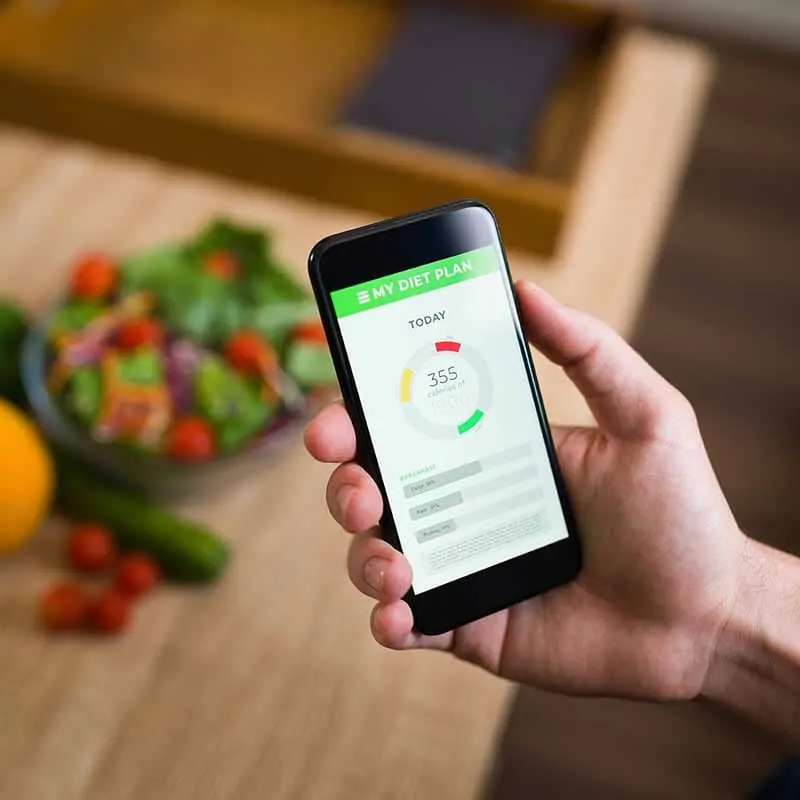
This makes planning meals much easier, especially for busy families. Parents who think every day about what to put on the table can put together a weekly menu in a few clicks. Many apps also take dietary preferences and allergies into account: vegetarian, gluten-free or high-protein, everything can be filtered. This convenience not only saves time, but also makes healthy, varied eating more accessible.
Personalisation and convenience
What really makes grocery apps powerful is personalisation. Because these apps build a digital profile of the user, they can make suggestions based on earlier purchases. You get offers that suit you, reminder notifications when your favourite product is on offer, and often even suggestions for new products that match your preferences.
Convenience also plays a big role. Through apps you can easily place a repeat order, load your groceries based on your previous list or have everything delivered at a time that suits you. Some apps, such as Picnic, are known for their fixed delivery slots and friendly service, while instant-delivery services like Flink and Getir aim for speed and convenience, with products often at your door within ten minutes.
The social side
What is often forgotten is that grocery apps can also have a social element. Many apps offer the option of sharing lists with family members or housemates. That means everyone can contribute to filling the list, so you avoid certain products being forgotten. Especially in larger households or among students sharing a house, this offers enormous benefits. It eliminates the familiar problem of buying things twice and means everyone keeps an overview.
Some apps go one step further and link their platform to smart kitchen appliances or other household apps. This creates an integrated system in which smart fridges report what is almost finished and apps automatically suggest adding it to your basket. This kind of technological innovation is still in its infancy, but it shows the potential in this market segment.
Saving money by using them smartly
Besides convenience, grocery apps often offer financial benefits too. By using digital loyalty cards, discount coupons and personalised offers you can save a lot. Where a supermarket visit used to often end with impulse purchases, apps make sure you buy more consciously. You see the prices beforehand, you can easily compare different brands and you know straight away what the total amount will be.
In addition, many apps offer savings schemes or discounts on specific products. For consumers who want to keep a close eye on their spending, this is a big plus. The overview the apps provide means you are unlikely to face surprises, and anyone who makes smart use of offers can even bring their weekly grocery budget down considerably.
Inspiration and variety in the kitchen
Another important advantage is the way grocery apps contribute to variety in the kitchen. Many people quickly fall into routines when it comes to food. Think of pasta, stamppot (Dutch mashed potato and vegetable dish) or the same salad coming back again and again. Thanks to the recipe databases in the apps, you can be inspired by seasonal dishes or by whatever is on offer at the moment.
This can also serve as an incentive to try new vegetables or ingredients that you would not normally put in your basket so quickly. Some apps even offer suggestions based on what you still have at home, which reduces food waste. That makes cooking not only more creative, but also more sustainable.
Differences between popular apps
Every major grocery app has its own strengths.
- AH app: offers an extensive recipe library and personal bonus offers. You can add products to your basket directly from a recipe, and the app integrates with the physical bonus card.
- Jumbo app: puts the emphasis on price and freedom of choice. Here too you will find an integrated recipe function. A handy feature is that you can place your order online and choose to collect it or have it delivered.
- PLUS app: known for its local involvement and personal offers. The app is similar in functionality to those of other large supermarkets.
- Picnic: focuses entirely on delivery and works with fixed time slots. By using smart logistics with small electric vehicles, Picnic is known for efficiency and user-friendliness.
- Crisp: specialises in fresh, high-quality food, often straight from local producers. A favourite for consumers who are willing to pay a little more for premium products.
- Flink and Getir: lightning-fast instant-delivery services that are especially handy for spontaneous or last-minute purchases. They focus on speed rather than range.
The future of grocery shopping
Looking ahead, grocery apps are expected to become smarter and more extensive. Think of artificial intelligence that puts together personalised weekly menus, dynamic price comparisons that show you the cheapest option straight away and even more links with smart devices in the home. Sustainability will play a big role here, because both companies and consumers are becoming increasingly aware of food and waste.
Today's apps are already an important step forward, but probably only form the beginning of a much broader digital transformation of how we deal with food and groceries.
Conclusion
Grocery apps have simplified daily life considerably. They save time, money and effort, and make it possible to eat more smartly, more consciously and more healthily. With features such as recipe integration, shared lists, personalised offers and lightning-fast delivery, they are more than just a digital shopping bag. They have grown into an essential tool for modern households.
Whether you choose the extensive recipes and bonus offers of the AH app, the convenience of Picnic, or the speed of Flink, one thing is clear: grocery shopping today is no longer a lengthy, sometimes stressful chore, but an easily managed part of life. Thanks to grocery apps we have more time, more overview and above all more relaxation.
Do you need help putting together a healthy shopping list that suits your eating pattern? Then request a consultation with our nutrition expert now.